Since taking office for a second term in January 2025, President Donald J. Trump has consistently portrayed his administration’s policies as historic successes and transformative achievements for the United States.
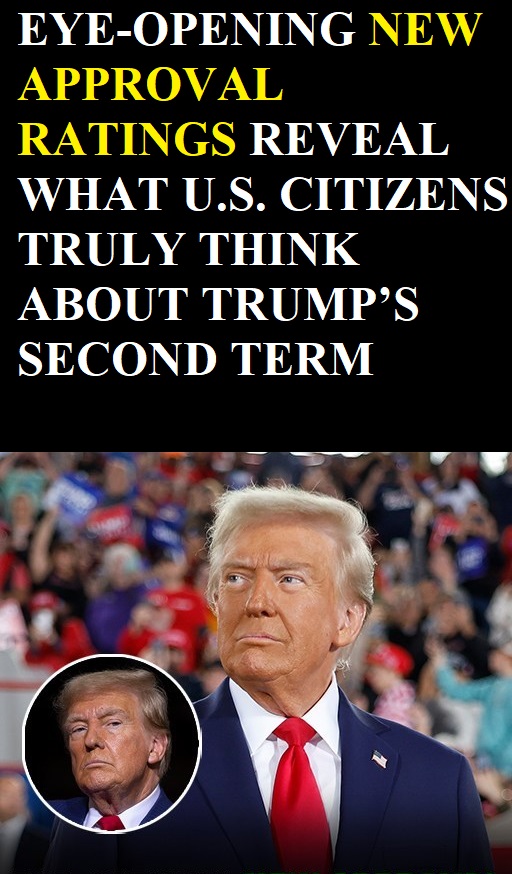
Trump’s public statements, speeches, and media appearances emphasize a narrative of economic revitalization, a reassertion of American strength abroad, and decisive domestic governance.
Yet independent analysis, polling data, and media reporting paint a more complex—and often sharply divided—picture of how Trump’s leadership is perceived across the country and around the world.
 This expanded overview examines Trump’s claims, the administration’s actions, independent evaluations, public opinion trends, and the major controversies and debates shaping the first full year of his second presidency.
I. Trump’s Self‑Portrait: A Presidency of Historic Impact
From the earliest days of his second term, Donald Trump has framed his leadership in sweeping, affirmative terms:
Economic claims: Trump routinely credits his tariff policies with boosting federal revenue and protecting American industry. He argues that high duties on foreign goods have rejuvenated domestic manufacturing, reduced trade deficits, and strengthened the U.S. fiscal position.
Energy and prices: Trump points to periods of lower gasoline prices and argues that various deregulatory actions have helped bring consumer costs down.
Executive momentum: The president frequently asserts that his agenda is progressing faster than anticipated, citing the volume of executive orders, regulatory rollbacks, and legislative achievements as evidence of a fast‑moving and effective government.
National security and peace rhetoric: Trump characterizes his foreign policy as stabilizing and preventive, claiming his leadership has helped avert larger conflicts and restore respect for American power.
Immigration enforcement: A central theme of Trump’s messaging has been a law‑and‑order approach to immigration, positioning his administration’s immigration and border policies as necessary corrections to what he calls lax enforcement under previous administrations.
These statements reflect a carefully constructed presidential narrative—one intended to reinforce support among core constituents and shape broader perceptions of national direction.
II. Independent Reality: Mixed Achievements and Sharp Divides
While the White House emphasizes accomplishments, independent data and reporting show that many of Trump’s central claims are contested or qualified by broader evidence.
Tariffs and Revenue
Trump’s tariff program has been one of the most aggressive in modern U.S. history. Since early 2025, the average effective tariff rate on imports rose significantly, at times exceeding levels unseen in decades.
This shift did lead to notable growth in tariff revenue—an increase from prior years—boosting the share of customs duties in federal receipts.
However, economists caution that higher tariffs also contributed to higher costs for U.S. businesses and consumers, and that the ultimate impact on broad economic growth remains debated among independent analysts.
Economic Performance
The broader economic picture during Trump’s second term shows a mixed trend:
Job growth and inflation: Job growth has been uneven, with periods of stagnation in key sectors. Inflation and living costs have remained politically salient issues, with many Americans reporting that prices for everyday goods and services remain high.
Approval on the economy: Polling consistently shows that a substantial share of Americans disapprove of Trump’s handling of the economy. Aggregated polling data indicates that fewer than half of U.S. adults say the economy is being managed well, and majorities often express negative evaluations of cost of living and related issues.
Immigration Enforcement
Trump has pursued an exceptionally stringent immigration agenda, expanding enforcement operations and increasing the scale and funding of agencies like Immigration and Customs Enforcement (ICE).
These actions, which include heightened deportations and aggressive workplace and community operations, have drawn both praise from supporters and strong criticism from civil liberties advocates, community leaders, and political opponents.
While Trump argues these tactics enhance border security and reduce illegal migration, polling and independent surveys show public opinion on immigration enforcement is sharply divided. Many Americans see the increase in enforcement negatively, raising concerns about civil rights and due process.
Foreign Policy and Global Actions
Trump’s foreign policy in his second term has been notably assertive:
Venezuela operation: A covert U.S. military action in Venezuela that resulted in the capture of Nicolás Maduro and his partner drew intense national debate.
Polling suggests strong partisan splits, with Republicans largely approving and Democrats overwhelmingly opposed. A majority of citizens, however, express discomfort with expanded U.S. involvement or long‑term governance roles in other countries.
Greenland rhetoric: Trump revived interest in the idea of acquiring Greenland, which led to diplomatic tension with Denmark and widespread criticism from foreign officials.
This episode illustrated how symbolic, headline‑driven foreign policy can strain allied relationships without yielding concrete diplomatic results.
Taken together, these moves underscore an unconventional and high‑profile foreign policy that is at once dramatic, controversial, and electorally polarizing.
III. Public Opinion: Deep Divisions and Declining Support
One of the clearest measures of a presidency’s resonance with the public is national polling. Across multiple independent surveys, a consistent pattern has emerged:
Major Polling on Trump’s Second Term (January 2026)
Overall Approval
Nationwide polling repeatedly finds that about four in ten Americans approve of Trump’s job performance, while a majority disapprove. These figures have remained relatively stable but reflect a presidency that is more unpopular than popular.
Aggregated data show that approval on specific policy areas like the economy, foreign policy, and trade generally falls below 45%, with disapproval often clear.
Issue‑Specific Views
Economy: Approvals on the economy often sit well below majority levels, with many Americans reporting that living costs and financial pressures have not improved under Trump’s policies.
Immigration: Though border security remains an area where Republicans and some independents still show support, overall public opinions on immigration enforcement and related measures are divided and increasingly negative.
Foreign policy: Trump’s handling of international relations and military actions faces majority disapproval in many polls, especially on issues like the use of force abroad.
Demographic Perspectives
Polling also reveals notable demographic splits:
Latino perspectives: Nationwide surveys find that majorities of Latino adults express negative views of Trump’s performance, particularly around immigration and economic impact, although views vary by political affiliation and voting history.
These data suggest that while Trump retains strong support among Republican voters, independent voters and many demographic groups either oppose his leadership or remain unconvinced by his messaging.
IV. Major Controversies and Flashpoints
Use of Executive Power
Trump’s aggressive use of executive actions—ranging from regulatory rollbacks to high‑profile policy shifts—has drawn both admiration from supporters and alarm from critics.
Legal challenges, judicial scrutiny, and debates over congressional oversight have given rise to heated disputes about the limits of presidential authority.
Immigration Enforcement Tactics
The scale and nature of immigration enforcement actions, including reports of raids in U.S. cities and expanded detention operations, have sparked widespread protests and calls from civil liberties groups for policy reform or even dismantling agencies perceived as overly aggressive.
Foreign Policy Overreach and Military Authority
Unilateral foreign policy decisions, particularly military actions such as the operation in Venezuela, have ignited intense debate over executive war powers. Many lawmakers argue that Congress should play a larger role in authorizing military engagement, reflecting ongoing constitutional tensions.
Epstein‑Related Files and Transparency Questions
Though the Trump White House contests many associated claims, longstanding public interest remains high concerning unreleased documents and investigations tied to Jeffrey Epstein and associated networks. This issue continues to gain attention across media and political discourse.
V. Looking Ahead: Political Stakes and Future Implications
As 2026 progresses, Trump’s political narrative faces significant tests:
Midterm elections: Polling trends indicate competitive dynamics that could influence House and Senate control. Surveys show increased Democratic enthusiasm and shifting voter intentions in key races.
Public confidence: Persistent disapproval on many key issues—especially the economy, immigration, and foreign affairs—poses challenges for broadening Trump’s appeal beyond his core base.
Governance and division: Trump’s polarizing leadership style continues to define the American political climate, energizing supporters while motivating opponents and critics alike.
VI. Conclusion: A Presidency Defined by Division
Donald Trump’s second term has unfolded as a deeply consequential and highly contested period in American politics. While the president proclaims historic achievements and asserts that his policies are restoring national strength and prosperity, independent analysis and polling data reveal a more nuanced reality:
Clear partisan loyalties support Trump’s agenda among Republican voters, but
Broad public opinion trends show persistent skepticism and significant disapproval from manysegments of the American public.
On central issues like the economy, immigration, and foreign policy, independent metrics often diverge sharply from Trump’s own assessments.
Ultimately, Trump’s presidency is characterized less by unanimous acclaim and more by profound national division—reflecting not only policy disagreements but fundamentally different visions of America’s direction in the 21st century.