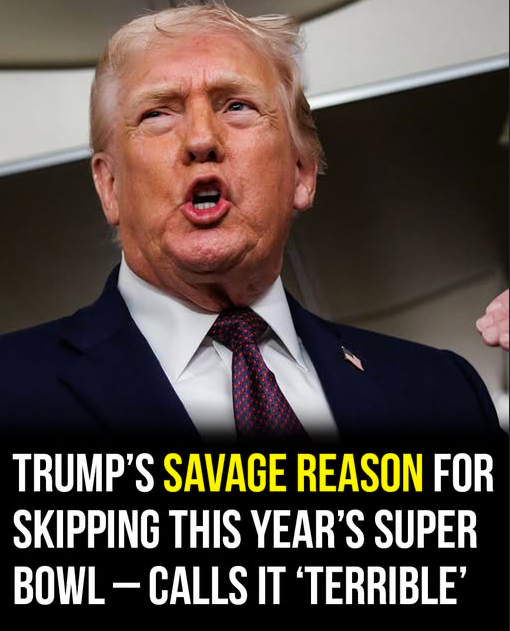
President Donald J. Trump has officially announced that he will not attend this year’s Super Bowl, marking a notable departure from his high‑profile presence at the game last season.
In a wide‑ranging interview with the New York Post, the 79‑year‑old leader explained his decision — and used the platform to offer sharp criticism of the event’s entertainment lineup.
The 60th Super Bowl — scheduled for Sunday, February 8, 2026 — will be hosted at Levi’s Stadium in Santa Clara, California, in the San Francisco Bay Area.
This location places the event on the West Coast, far from Washington, D.C., where Trump currently resides, and far from his political base in Florida.
Trump’s decision not to attend comes after his historic appearance at last year’s Super Bowl in New Orleans, where he became the first sitting U.S. president to be present at the championship game in person.
Primary Reason Cited: Distance and Logistics
In his interview, Trump emphasized distance and logistics as a principal reason for skipping this year’s game. While he didn’t rule out attending future Super Bowls altogether, he made it clear that the travel commitment to California — and the time away from the White House or his personal base — played a significant role in his choice. “It’s just too far away. I would… They like me at the Super Bowl,” Trump said, adding that he would attend if the distance were shorter.
Travel and personal scheduling are common considerations for presidents attending major public events, especially those that occur far from the nation’s capital. But in Trump’s case, his comments about the entertainment lineup indicate additional factors at play beyond just distance.
Sharp Criticism of Super Bowl Performers
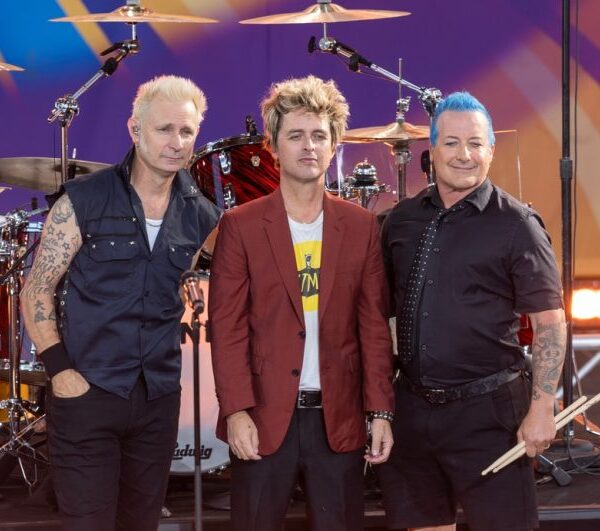
Alongside his travel rationale, Trump also took aim at the musical performers set to appear at Super Bowl 60 — particularly Bad Bunny and Green Day.
Bad Bunny Headlining the Halftime Show
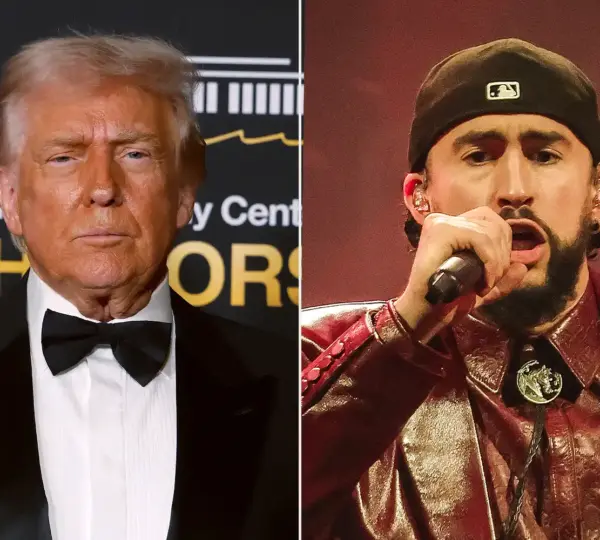
Puerto Rican artist Bad Bunny is slated as the halftime show performer for this year’s Super Bowl. Bad Bunny, whose real name is Benito Antonio Martínez Ocasio, is one of the world’s most streamed artists, particularly noted for music that blends Latin trap, reggaeton, and socially conscious themes.
In recent years, Bad Bunny has been outspoken about immigration issues and social justice themes. At times he has publicly criticized U.S. immigration policy and expressed solidarity with immigrant communities.
These positions have often put him at odds with conservative critics, including Trump and members of his political base.
Green Day and Political Expression
Rock band Green Day — known for songs like American Idiot — will perform during the game’s opening ceremony. Green Day has a long history of political commentary in its music, and its frontman, Billie Joe Armstrong, has been vocal about his criticisms of Trump and other political leaders.
The band has edited lyrical lines in classic songs during live shows to reflect contemporary politics, and Armstrong has not shied away from confronting political issues directly while onstage.
Trump’s “Anti‑Them” Statement
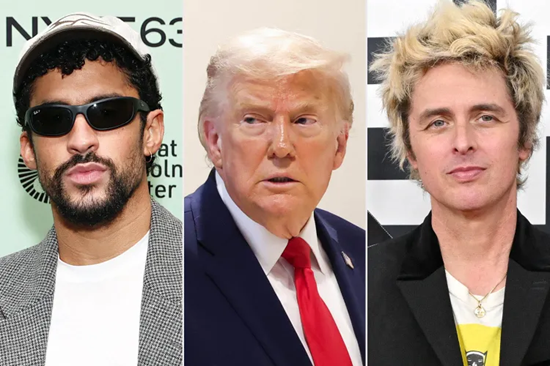
Perhaps the most striking part of Trump’s interview was his blunt assessment of the musical lineup. When asked about Bad Bunny and Green Day, Trump responded: “I’m anti‑them. I think it’s a terrible choice. All it does is sow hatred. Terrible.”
The phrase “anti‑them” was widely quoted because it conveyed not just disagreement with the entertainment choices, but an explicit rejection of the performers themselves.
Trump has insisted that the choice of entertainers was not the sole reason for skipping the game, reiterating that distance was the primary factor — but his remarks made clear he views the lineup negatively.
Context: Why the Artists Matter Politically
The controversy over the Super Bowl performers is not just about music — it reflects larger political and cultural divides in the U.S.
Bad Bunny’s Political Commentary
Bad Bunny’s music and public statements have included criticism of aspects of U.S. immigration policy and social inequality.
Before the Super Bowl was announced, he spoke publicly about why he chose not to tour major parts of the U.S. during his world tour — citing concerns that immigration enforcement actions could affect his fans or the safety of concertgoers.
He also released material that used satirical commentary on U.S. political figures, including one track that included a voice impression of Trump apologizing to immigrants — a piece that circulated widely online.
Green Day’s Longstanding Political Criticism
Green Day has been critical of presidents and administrations on both sides of the political aisle, but adjustments to their lyrics and public remarks during live shows over the past decade have made them particularly associated with anti‑Trump sentiment. Examples include altered lines in American Idiot and public statements comparing political trends to authoritarianism in strong terms.
Reaction from the NFL and Fans
Despite the political commentary surrounding the performers, NFL leadership has stood by the entertainment lineup.
Commissioner Roger Goodell and other league representatives defended the Super Bowl’s choices, pointing out that artists like Bad Bunny and Green Day bring diverse audiences and global appeal, and that the game’s entertainment serves many fans across different backgrounds.
From a fan perspective, reactions have been mixed. Many supporters of Bad Bunny and Green Day have celebrated the choice, seeing it as a reflection of the NFL’s broad cultural reach.
Others — including some conservative commentators — agreed with Trump’s assessment and expressed disappointment. Overall, the performers have sparked lively discussion about how major cultural events intersect with political expression.
Trump’s Super Bowl History
Trump’s relationship with major sporting events has evolved over time. During his first year back in the White House, he attended Super Bowl 59 in New Orleans, becoming the first sitting president to attend a Super Bowl in person. That appearance was notable not just for the historic milestone, but for the warm reception he received from fans in attendance.
Despite this precedent, the 2026 Super Bowl will mark a shift: Trump is choosing not to attend, even though he once embraced the opportunity to appear on one of the nation’s biggest stages.
How This Fits Broader Political Dynamics
Trump’s comments come at a politically charged time in American life, with sports and entertainment increasingly intersecting with public debate.
High‑profile performers like Bad Bunny and Green Day are not just musicians — their public identities include social and political commentary, which makes their presence at a major event like the Super Bowl noteworthy to both critics and supporters.
While Trump says the distance was the primary reason for skipping the game — and insists the performers were not the true reason he won’t be there — his strong language and public denunciations have amplified the conversation about politics, culture, and national entertainment.
What Else to Know About Super Bowl 60
Here are some key facts about the Super Bowl game itself:
Date & Venue: Super Bowl 60 will be held on Sunday, February 8, 2026, at Levi’s Stadium in Santa Clara, California.
Teams: The matchup will feature the New England Patriots and the Seattle Seahawks, two franchises with significant histories in the NFL.
Performers: Green Day will be featured in the opening ceremony, while Bad Bunny headlines the halftime show — one of the most watched segments of the event.
Broadcast: The game will air on major networks including NBC and Telemundo, as well as streaming platforms, ensuring a global audience.
Conclusion
President Donald Trump’s announcement that he will not attend Super Bowl 60 has become a talking point of its own, blending cultural preferences, political identity, and sports fandom in a way few other events can match.
While Trump attributes his absence primarily to logistical concerns over travel distance, his unequivocal criticism of performers Bad Bunny and Green Day — whom he described as “a terrible choice” and said he is “anti‑them” — has amplified an ongoing cultural conversation about politics and entertainment.
Whether this will have any lasting impact on the NFL, future Super Bowls, or broader political discourse remains to be seen — but for now, it has given the 2026 championship game an extra layer of national significance that goes beyond the gridiron.