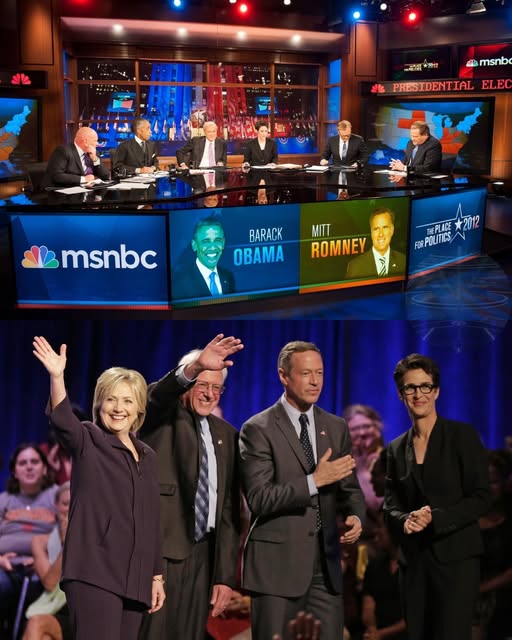
Rachel Maddow’s career has often intersected with political controversy, reflecting both her high-profile platform and the polarized nature of contemporary American politics.
One prominent example came during the Trump administration, when her show extensively covered allegations of corruption and executive overreach.

While many viewers praised Maddow for detailed investigative reporting, critics accused her of bias and claimed she contributed to partisan divisions.
These controversies illustrate the delicate balance journalists face between accountability and perceived partisanship.
Maddow’s approach to controversial topics often involves connecting current events to historical or legal precedents.

This method can deepen audience understanding but also provoke criticism from those who disagree with her framing.
For instance, during coverage of impeachment proceedings and election disputes, she repeatedly emphasized the long-term implications for democratic norms.
Supporters saw this as responsible journalism, while detractors claimed it exaggerated risks and fueled partisan anxiety.
The public response to Maddow’s controversies underscores the challenges of being a highly visible political journalist.
Social media amplifies every segment, clip, and statement, turning even routine reporting into fodder for debate.
Maddow’s work demonstrates that controversies in journalism are not always about factual accuracy; often, they stem from interpretations and narrative emphasis.
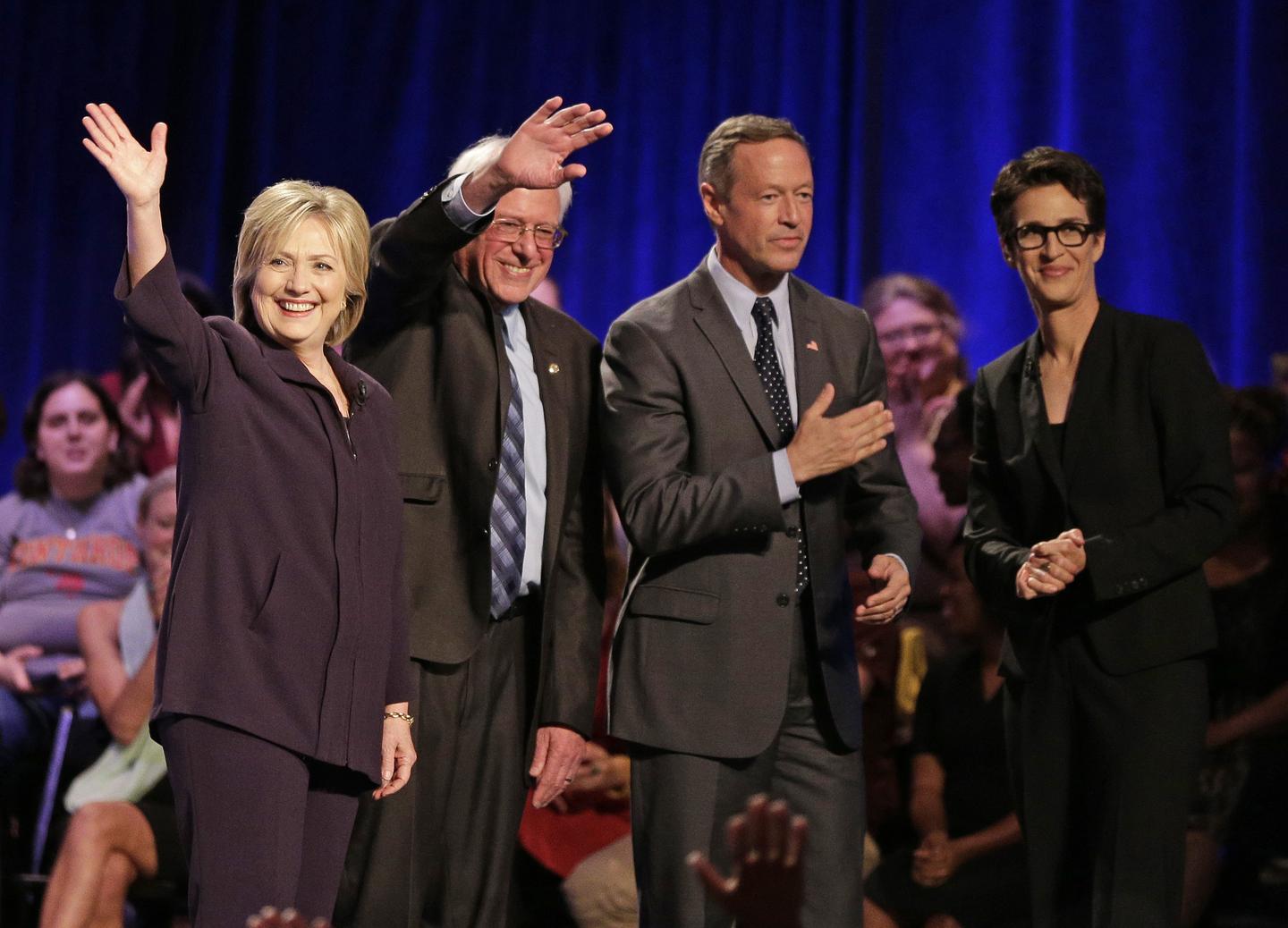
Regardless of perspective, her handling of contentious issues cements her status as an influential but polarizing figure in American political media.