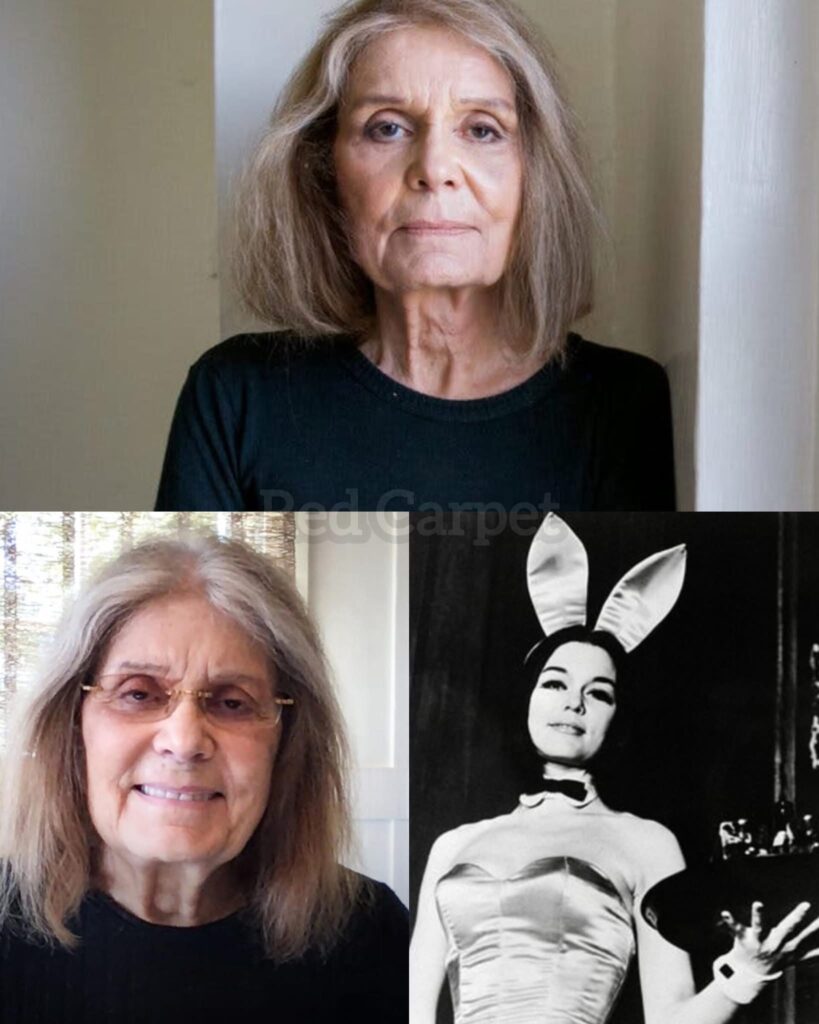
From Bunny to Beacon: How Gloria Steinem’s Undercover Exposé Forged the Voice of Modern Feminism
Summary
This article will examine the pivotal, often underestimated, role of Gloria Steinem’s 1963 undercover assignment as a Playboy Bunny in shaping her political consciousness and the eventual launch of second-wave feminism. It moves beyond the glamorous surface of the Bunny exposé to analyze how the humiliation, economic exploitation, and rigid control she observed became the foundational understanding that fueled her lifelong commitment to equality. We will connect the “don’t gain weight, keep your tail fluffy” rules of the club to the broader, restrictive rules society imposed on all women, demonstrating how Steinem skillfully turned a personal journalistic challenge into a national political movement.
Key Angles and Content
- The Transformative Hook: The Bunny’s Tale as Origin Story: We open with the startling contrast between the glittering fantasy outside the New York Playboy Club and the exhausting, rules-bound reality inside. Steinem’s quote—“I saw how women were bought and sold, even under the glitter”—will serve as the central thesis: the glamour was a mask for economic and physical control.
- From Personal Invisibility to Public Power: Explore Steinem’s history of feeling “invisible” and underestimated, starting with her difficult childhood and early career where editors only gave her “women’s pieces” (fashion, lifestyle). Show how she consciously adopted a strategy: “If they won’t let me write the big stories, I’ll make the small ones speak for millions.” The Bunny story was the ultimate execution of this strategy.
- The Unveiling of the Rules: Directly map the specific rules imposed on the Playboy Bunnies (exhaustion, mandated smiles, body scrutiny) to the societal pressures that Ms. magazine and the women’s liberation movement would later fight against: workplace inequality, beauty standards, and sexual harassment. Her exposé wasn’t just about Bunnies; it was a microcosm of the patriarchy.
- The Movement Catalyst: Detail how the resulting fame from the exposé provided the platform, but the insightfrom it provided the mission for the 1970s movement. Her strategic decision to co-found Ms. magazine and the symbolism she adopted (aviator sunglasses, long hair) cemented her as a symbol of defiance, transforming the journalist into a leader.
Why This Story Now?
In an era where discussions about workplace control, economic independence, and the commodification of women’s bodies are central to modern movements (like the #MeToo movement), Steinem’s undercover work serves as a powerful historical anchor. This article offers a valuable lesson in turning personal observation into collective political actionand highlights the strategic genius of a journalist who found the biggest story by reporting on what others deemed “fluff.”
Target Audience
Readers interested in social justice, women’s history, investigative journalism, and the intersection of culture and politics.
Conclusion
Gloria Steinem didn’t simply join the fight for feminism; she had her feminism forged in the indignity and clarity of her time undercover. This article will show how she perfected the art of slipping into disguises, using the very tools designed to suppress her—glamour, invisibility, and “fluff” assignments—to become a powerful, lasting voice.
Would you like me to refine the suggested Headline/Pitch Title further, perhaps making it more punchy for a specific publication (e.g., a serious history magazine vs. a general interest culture site)?
Post Views: 23