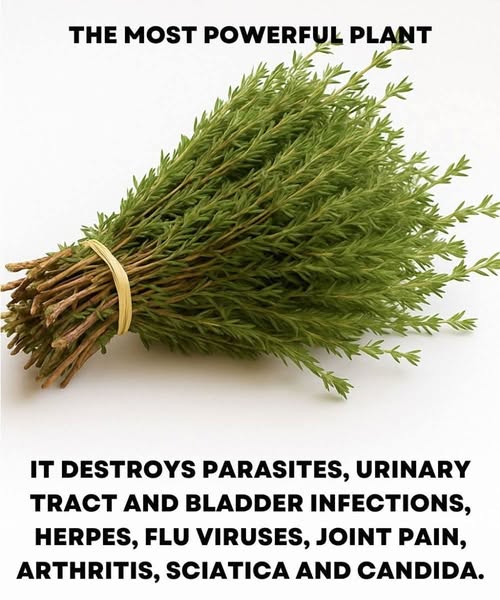
Oregano: From Kitchen Herb to Natural Healer
Oregano isn’t only a fragrant herb sprinkled on pizza or Mediterranean dishes—it’s also a plant with a long history of medicinal use. Known as Origanum vulgare, oregano contains compounds like carvacrol and thymol that researchers today are studying for their potential health-supporting effects.
Ancient Wisdom Meets Careful Science
For centuries, traditional medicine systems valued oregano for its protective qualities. Modern studies suggest it may offer antibacterial, antiviral, antifungal, and anti-inflammatory properties. While more research is ongoing, its versatility makes it a useful ally when used wisely.
Supporting Gut and Immune Health
Oregano oil may help maintain a healthy balance in the gut by discouraging harmful microbes, supporting digestion, and promoting overall immune resilience. Some evidence also points to benefits for urinary tract comfort and natural defense against common viruses such as those behind colds or cold sores.
Joint and Yeast Balance
Early research indicates that oregano may help ease occasional joint stiffness and discomfort. It is also studied for its role in supporting the body’s natural ability to manage yeast levels, contributing to internal balance.
Practical Ways to Use Oregano
-
Tea: Brew dried oregano leaves into a warm, soothing tea.
-
Oil: Use oregano essential oil sparingly, always diluted with a carrier oil and ideally under professional guidance.
-
Topical: For skin support, apply a diluted mixture to affected areas.
More Than a Spice
Oregano is more than a kitchen staple—it’s a reminder that nature holds quiet remedies within reach. Used thoughtfully, it can enrich both meals and health routines.
A Gentle Reflection
The Qur’an reminds us that in the earth are “signs for those who are certain in faith” (51:20). Oregano is one of those signs—small leaves carrying strength beyond their size. Like many herbs, its healing potential is a mercy, inviting us to approach creation with gratitude, balance, and care.